Prompt工程天花板!这个“万能”Meta Prompt,看懂这篇就够了!
小伙伴们好呀!今天我们来深度剖析一个非常特别的Prompt——它是一个专门用来**生成高质量系统提示词(System Prompt)的元提示词(Meta Prompt)**。它就像一位“Prompt教练”,指导我们如何为大型语言模型制定清晰、有效的任务指令。下面,我们就来一段一段看看它的精妙之处!
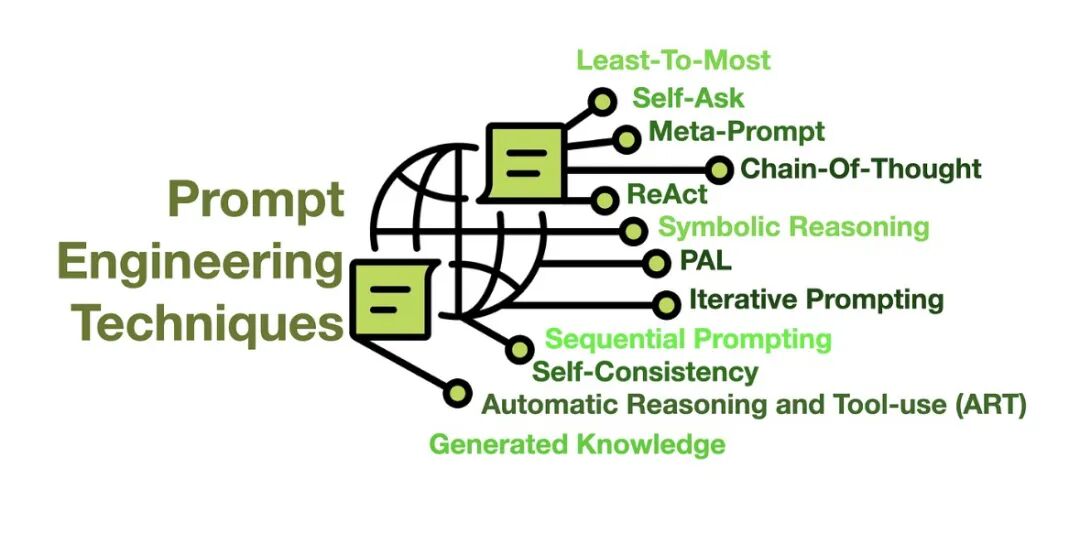
小伙伴们好呀!今天我们来深度剖析一个非常特别的Prompt——它是一个专门用来生成高质量系统提示词(System Prompt)的元提示词(Meta Prompt)。它就像一位“Prompt教练”,指导我们如何为大型语言模型制定清晰、有效的任务指令。下面,我们就来一段一段看看它的精妙之处!👇👇
文字较多,下面原文可以先跳过,分析在后面:
Given a task description or existing prompt, produce a detailed system prompt to guide a language model in completing the task effectively.

# Guidelines

- The prompt should be in English.
- Understand the Task: Grasp the main objective, goals, requirements, constraints, and expected output.
- Minimal Changes: If an existing prompt is provided, improve it only if it's simple. For complex prompts, enhance clarity and add missing elements without altering the original structure.
- Reasoning Before Conclusions**: Encourage reasoning steps before any conclusions are reached. ATTENTION! If the user provides examples where the reasoning happens afterward, REVERSE the order! NEVER START EXAMPLES WITH CONCLUSIONS!
    - Reasoning Order: Call out reasoning portions of the prompt and conclusion parts (specific fields by name). For each, determine the ORDER in which this is done, and whether it needs to be reversed.
    - Conclusion, classifications, or results should ALWAYS appear last.
- Examples: Include high-quality examples if helpful, using placeholders [in brackets] for complex elements.
   - What kinds of examples may need to be included, how many, and whether they are complex enough to benefit from placeholders.
- Clarity and Conciseness: Use clear, specific language. Avoid unnecessary instructions or bland statements.
- Formatting: Use markdown features for readability. DO NOT USE ```CODE BLOCKS UNLESS SPECIFICALLY REQUESTED.
- Preserve User Content: If the input task or prompt includes extensive guidelines or examples, preserve them entirely, or as closely as possible.If they are vague, consider breaking down into sub- steps.Keep any details, guidelines, examples, variables, or placeholders provided by the user.
- Constants: DO include constants in the prompt, as they are not susceptible to prompt injection.Such as guides, rubrics, and examples.
- Output Format: Explicitly the most appropriate output format, in detail.This should include length and syntax(e.g.short sentence, paragraph, JSON, etc.)
    - For tasks outputting well - defined or structured data(classification, JSON, etc.) bias toward outputting a JSON.
    - JSON should never be wrapped in code blocks(```) unless explicitly requested.

The final prompt you output should adhere to the following structure below. Do not include any additional commentary, only output the completed system prompt. SPECIFICALLY, do not include any additional messages at the start or end of the prompt. (e.g. no "---")

[Concise instruction describing the task - this should be the first line in the prompt, no section header]

[Additional details as needed.]

[Optional sections with headings or bullet points for detailed steps.]

# Steps [optional]

[optional: a detailed breakdown of the steps necessary to accomplish the task]

# Output Format

[Specifically call out how the output should be formatted, be it response length, structure e.g. JSON, markdown, etc]

# Examples [optional]

[Optional: 1-3 well-defined examples with placeholders if necessary. Clearly mark where examples start and end, and what the input and output are. User placeholders as necessary.]
[If the examples are shorter than what a realistic example is expected to be, make a reference with () explaining how real examples should be longer / shorter / different. AND USE PLACEHOLDERS! ]

# Notes [optional]

[optional: edge cases, details, and an area to call or repeat out specific important considerations]

# IMPORTANT
- The prompt should ONLY written in English.
总体目标与定位
原文:
Given a task description or existing prompt, produce a detailed system prompt to guide a language model in completing the task effectively.
解读:这是整个元提示词的总起句,开门见山,定义了核心任务。
-
输入:可以是一个简单的任务描述,也可以是一个已有的、待优化的提示词。
-
输出:一个详细的系统提示词。
-
终极目标:有效地(effectively) 指导模型完成任务。
**分析:**这句话定位极高,它不是在教模型“回答问题”,而是在教模型“如何成为一位专业的提示词工程师”。它要求输出物必须具备“指导性”和“有效性”,这为后续所有细致的规定奠定了基础。
核心构建指南(Guidelines)
这部分是整个Prompt的“大脑”,详细规定了思考和行为准则。
1. 理解任务(Understand the Task)
原文:
Grasp the main objective, goals, requirements, constraints, and expected output.
分析:这是构建任何好Prompt的第一步。它要求模型必须像一个项目经理一样,全面理解任务的“五脏六腑”:核心目标、具体目标、需求、限制条件和最终要交付的成果。这确保了生成的系统提示词不会跑偏。
2. 最小改动原则(Minimal Changes)
原文:
If an existing prompt is provided, improve it only if it’s simple. For complex prompts, enhance clarity and add missing elements without altering the original structure.
分析:这一条体现了务实和尊重的精神。
-
对简单Prompt:可以直接优化,大胆改进。
-
对复杂Prompt:采取保守策略,优先**“增强清晰度”和“补全缺失元素”**,而不是推翻重来。这非常聪明,因为一个复杂的提示词可能已经包含了精心设计的结构,贸然修改可能破坏其内在逻辑。
3. 推理优先!结论置后!(Reasoning Before Conclusions)
原文:
Encourage reasoning steps before any conclusions are reached. ATTENTION! If the user provides examples where the reasoning happens afterward, REVERSE the order! NEVER START EXAMPLES WITH CONCLUSIONS!
**分析:**这是整个Prompt中最硬核、最值得学习的一条! 🚨
-
核心理念:强制模型进行链式思考(Chain-of-Thought),这能极大提高回答的准确性和逻辑性。
-
异常处理:它甚至考虑到了用户可能提供“错误示范”的情况(比如例子中先给结论后推理),并给出了明确的修正指令:反转顺序(REVERSE the order)!
-
绝对禁令:用全大写的 NEVER 强调,体现了这一原则的不可妥协性。
子条款:推理顺序(Reasoning Order)
原文:
Reasoning Order: Call out reasoning portions of the prompt and conclusion parts (specific fields by name). For each, determine the ORDER in which this is done, and whether it needs to be reversed. Conclusion, classifications, or results should ALWAYS appear last.
分析:
这相当于一个可操作的标准流程。它告诉模型:
- 识别:明确指出现有提示词中,哪部分是“推理”,哪部分是“结论”。
- 判断:确定它们的顺序是否正确。
- 修正:如果不正确,就进行反转。
- 铁律:结论必须永远在最后。
4. 示例使用规范(Examples)
原文:
Include high-quality examples if helpful, using placeholders [in brackets] for complex elements. What kinds of examples may need to be included, how many, and whether they are complex enough to benefit from placeholders.
**分析:**这一条在教模型如何“教学”。
-
高质量:示例必须精炼、有代表性。
-
使用占位符:用 [占位符] 代替复杂或具体的内容,这使得示例更具通用性和指导意义,而不是一个死板的模板。
-
自主判断:模型需要自己判断示例的类型、数量和复杂度。
5. 清晰与简洁(Clarity and Conciseness)
原文:
Use clear, specific language. Avoid unnecessary instructions or bland statements.
分析:
这是对生成内容文风的要求。它反对“正确的废话”,追求每一句指令都有其明确的目的和作用。
6. 格式化与保留(Formatting & Preserve User Content)
原文:
Use markdown features for readability. DO NOT USE ```CODE BLOCKS UNLESS SPECIFICALLY REQUESTED.
Preserve User Content: If the input task or prompt includes extensive guidelines or examples, preserve them entirely, or as closely as possible.If they are vague, consider breaking down into sub- steps.Keep any details, guidelines, examples, variables, or placeholders provided by the user.
**分析:**这两条结合起来看非常巧妙:
-
格式化:要求使用Markdown(如标题、列表)来提升可读性,但禁止滥用代码块。这是因为系统提示词本身是文本,直接嵌入代码块反而可能影响模型解析。
-
保留用户内容:这体现了“元提示词”的谦逊。它强调生成的提示词必须最大程度地尊重和保留用户的原始输入,优化者(模型)的角色是辅助和增强,而不是替代。
7. 常量与输出格式(Constants & Output Format)
原文:
Constants: DO include constants in the prompt, as they are not susceptible to prompt injection.Such as guides, rubrics, and examples.
Output Format: Explicitly the most appropriate output format, in detail… bias toward outputting a JSON. JSON should never be wrapped in code blocks (```) unless explicitly requested.
分析:
-
常量:鼓励将指南、评分标准等作为“常量”保留,因为它们不易被提示词注入攻击所影响,这增加了Prompt的鲁棒性。
-
输出格式:这是确保结果可用性的关键一步。它强制要求明确输出格式(长度、语法),并且对于结构化数据,优先使用JSON,同时再次强调JSON不应被包裹在代码块中。这确保了下游程序能直接解析结果。
最终输出结构
原文:
The final prompt you output should adhere to the following structure below… [Concise instruction describing the task - this should be the first line in the prompt, no section header] … [Optional sections with headings…]
分析:这部分是一个模板,它确保了所有生成的系统提示词都具备一致、清晰的结构。它要求:
-
首行即核心指令:第一行就必须是简洁的任务描述,让模型一眼抓住重点。
-
模块化可选章节:如 # Steps, # Output Format, # Examples 等,允许根据任务复杂度灵活组织内容。
-
纯净输出:严格禁止添加任何额外的开场白或结束语,保证输出物是“即插即用”的纯净Prompt。
总结
这个Meta Prompt本身就是一个杰出的工程范例。它最令人印象深刻的地方在于其缜密的逻辑和极强的可操作性。
-
它像一份严谨的产品需求文档(PRD):考虑到了各种边界情况(如复杂Prompt的处理、错误示例的修正)。
-
它具备防御性设计思维:例如“保留用户内容”、“常量不易受攻击”等条款,体现了对安全性和稳定性的考量。
-
它强调思维过程:“推理优先”原则是其灵魂,直接瞄准了LLM生成内容的核心痛点。
通过拆解这个Prompt,我们学到的不仅是如何构建一个提示词,更是一种系统化、结构化的问题解决方法论。它训练我们像工程师一样思考:定义、分解、判断、执行、交付。💡
如何学习大模型 AI ?
我国在AI大模型领域面临人才短缺,数量与质量均落后于发达国家。2023年,人才缺口已超百万,凸显培养不足。随着Al技术飞速发展,预计到2025年,这一缺口将急剧扩大至400万,严重制约我国Al产业的创新步伐。加强人才培养,优化教育体系,国际合作并进,是破解困局、推动AI发展的关键。
但是具体到个人,只能说是:
“最先掌握AI的人,将会比较晚掌握AI的人有竞争优势”。
这句话,放在计算机、互联网、移动互联网的开局时期,都是一样的道理。
我在一线互联网企业工作十余年里,指导过不少同行后辈。帮助很多人得到了学习和成长。
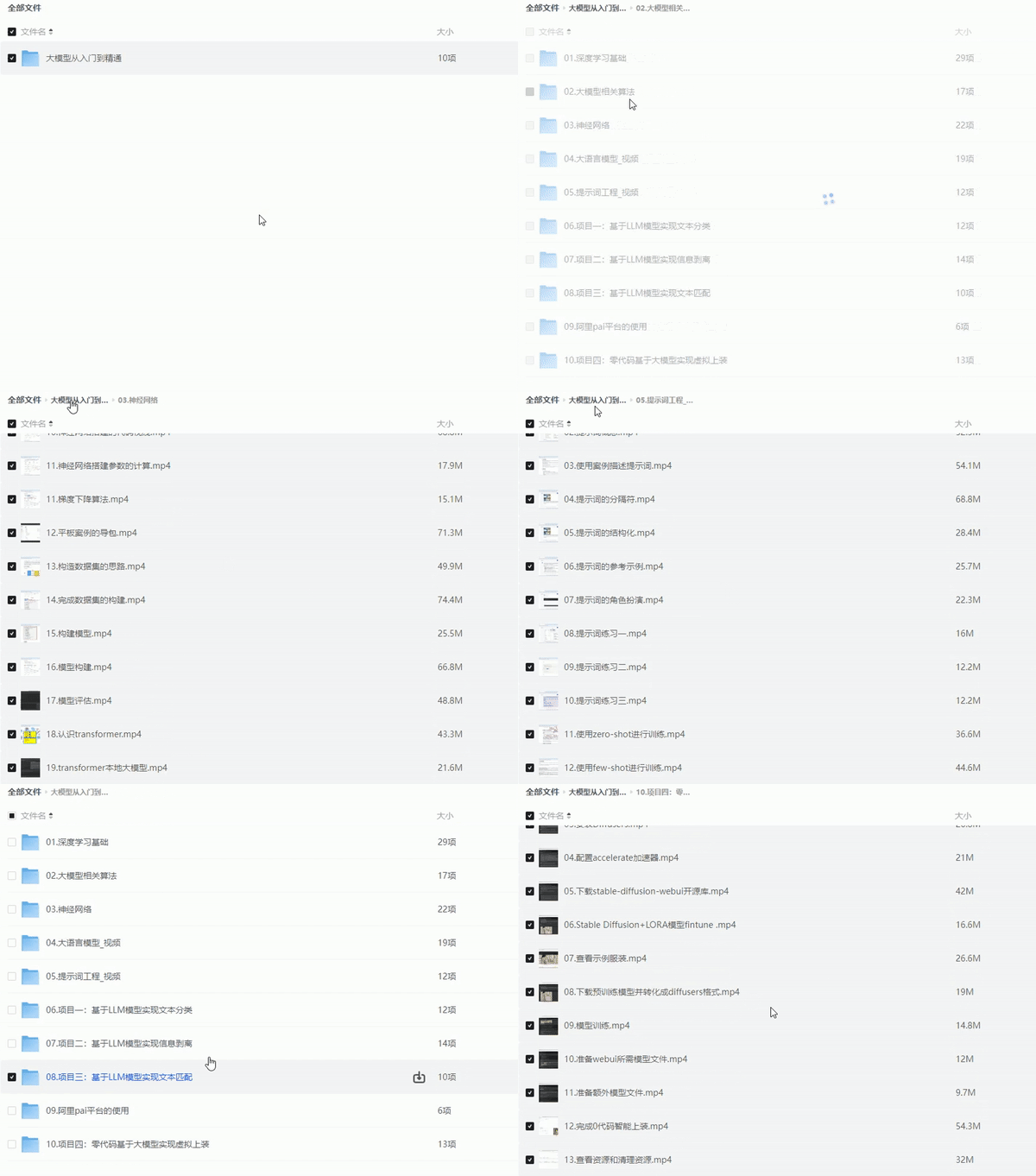
我意识到有很多经验和知识值得分享给大家,也可以通过我们的能力和经验解答大家在人工智能学习中的很多困惑,所以在工作繁忙的情况下还是坚持各种整理和分享。但苦于知识传播途径有限,很多互联网行业朋友无法获得正确的资料得到学习提升,故此将重要的AI大模型资料包括AI大模型入门学习思维导图、精品AI大模型学习书籍手册、视频教程、实战学习等录播视频免费分享出来。
2025最新大模型学习路线
明确的学习路线至关重要。它能指引新人起点、规划学习顺序、明确核心知识点。大模型领域涉及的知识点非常广泛,没有明确的学习路线可能会导致新人感到迷茫,不知道应该专注于哪些内容。
对于从来没有接触过AI大模型的同学,我帮大家准备了从零基础到精通学习成长路线图以及学习规划。可以说是最科学最系统的学习路线。
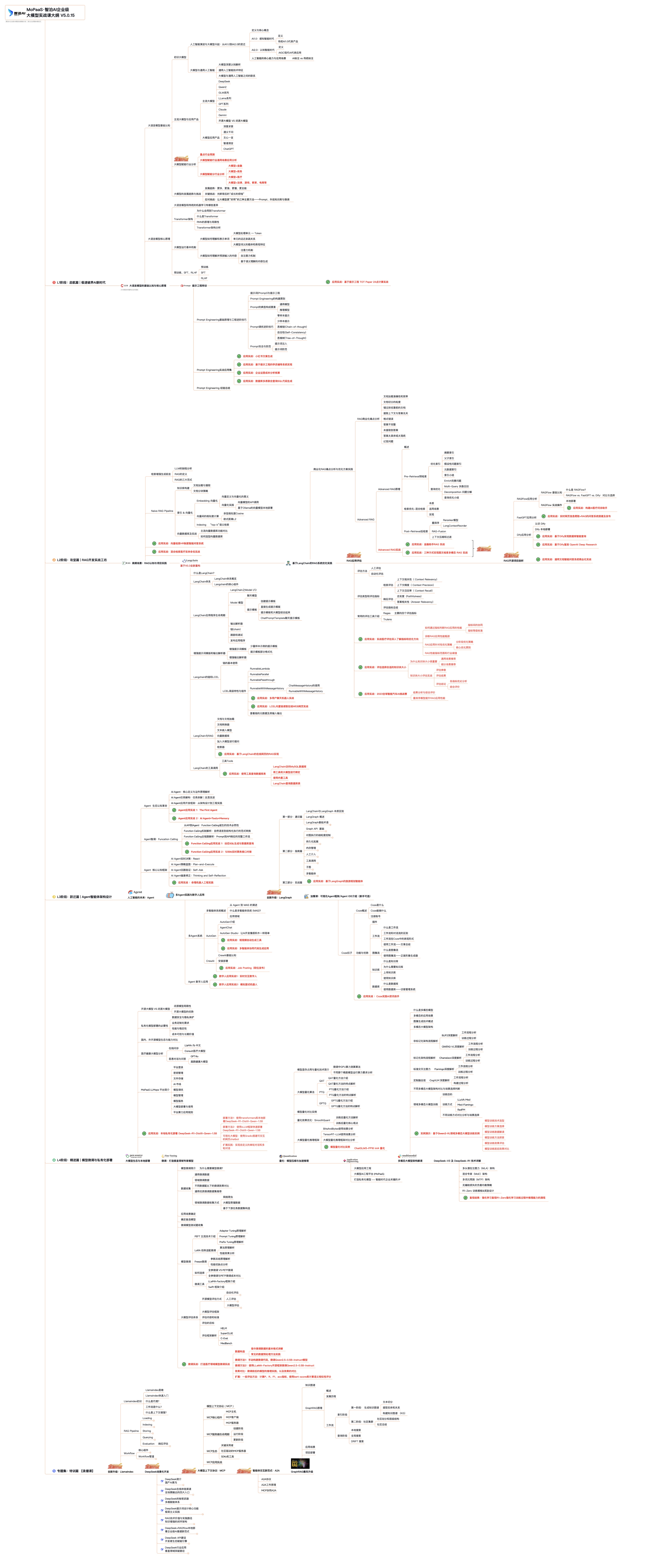
针对以上大模型的学习路线我们也整理了对应的学习视频教程,和配套的学习资料。
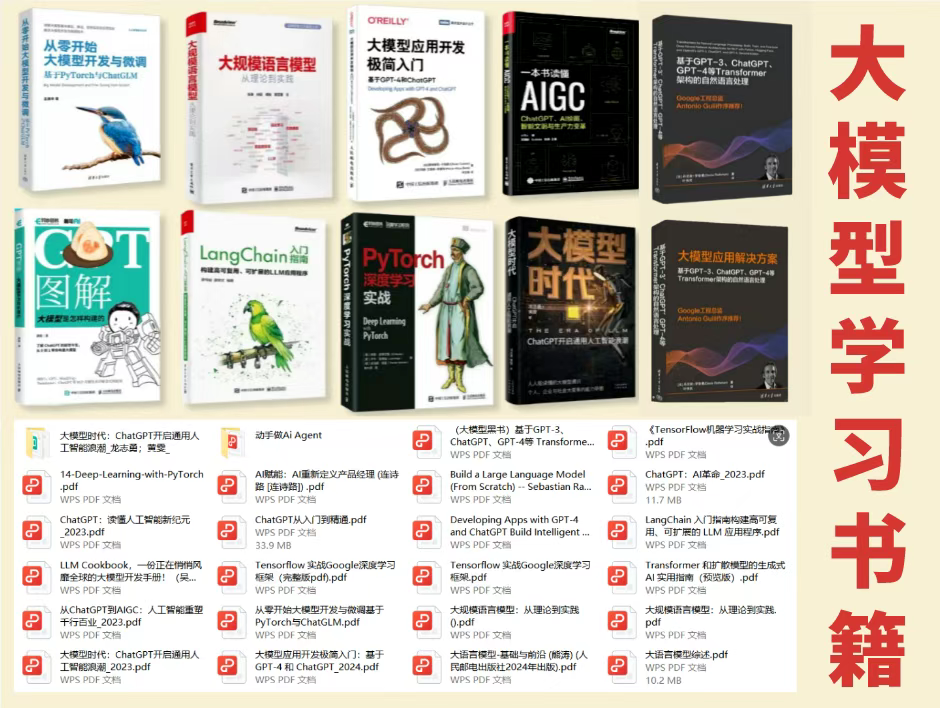
大模型经典PDF书籍
新手必备的大模型学习PDF书单来了!全是硬核知识,帮你少走弯路!
配套大模型项目实战
所有视频教程所涉及的实战项目和项目源码等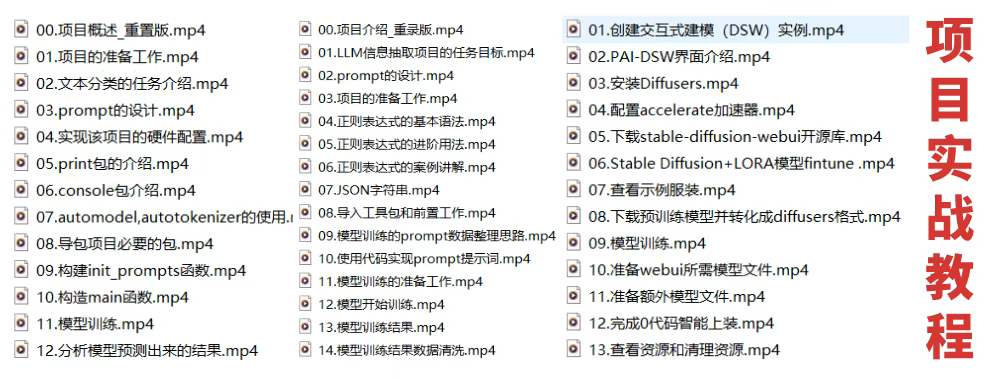
博主介绍+AI项目案例集锦
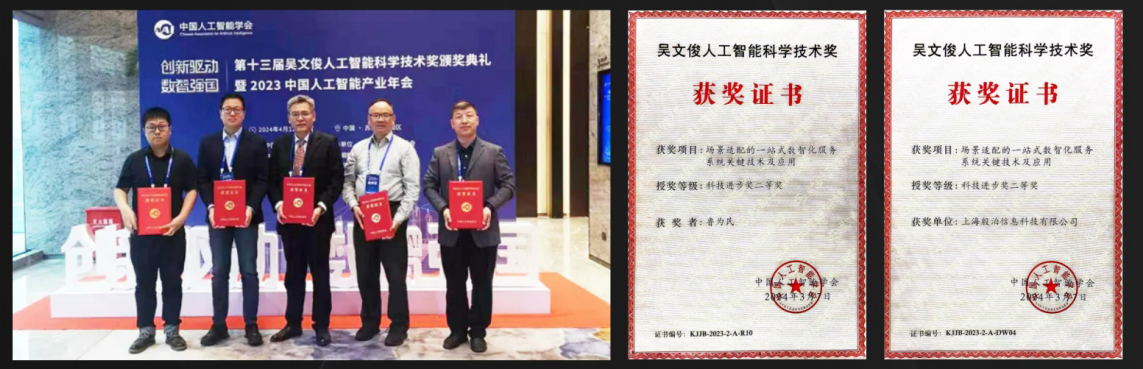
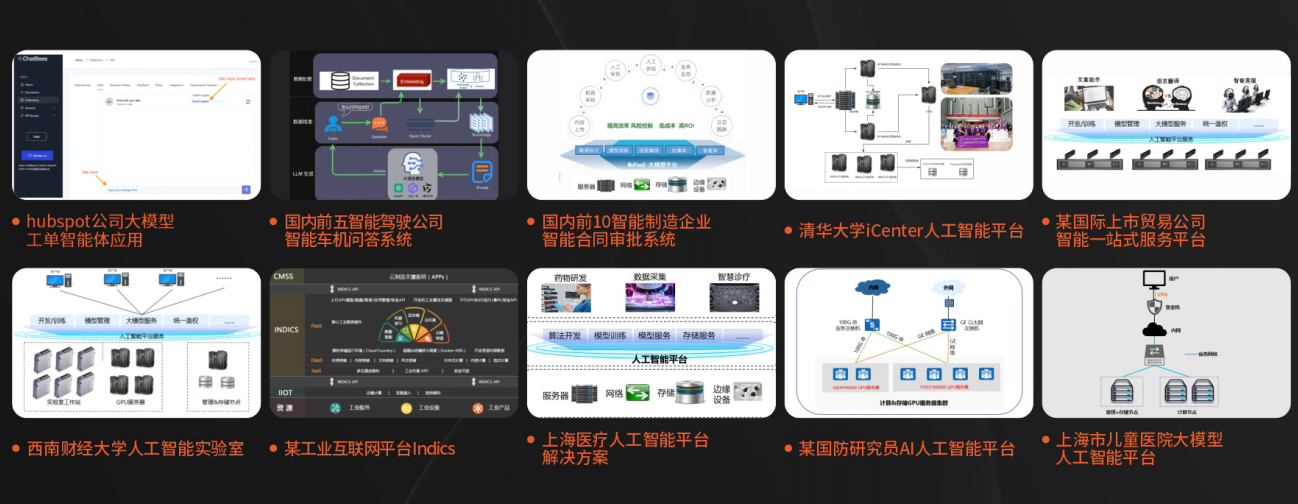
MoPaaS专注于Al技术能力建设与应用场景开发,与智学优课联合孵化,培养适合未来发展需求的技术性人才和应用型领袖。
这份完整版的大模型 AI 学习资料已经上传CSDN,朋友们如果需要可以微信扫描下方CSDN官方认证二维码免费领取【保证100%免费】

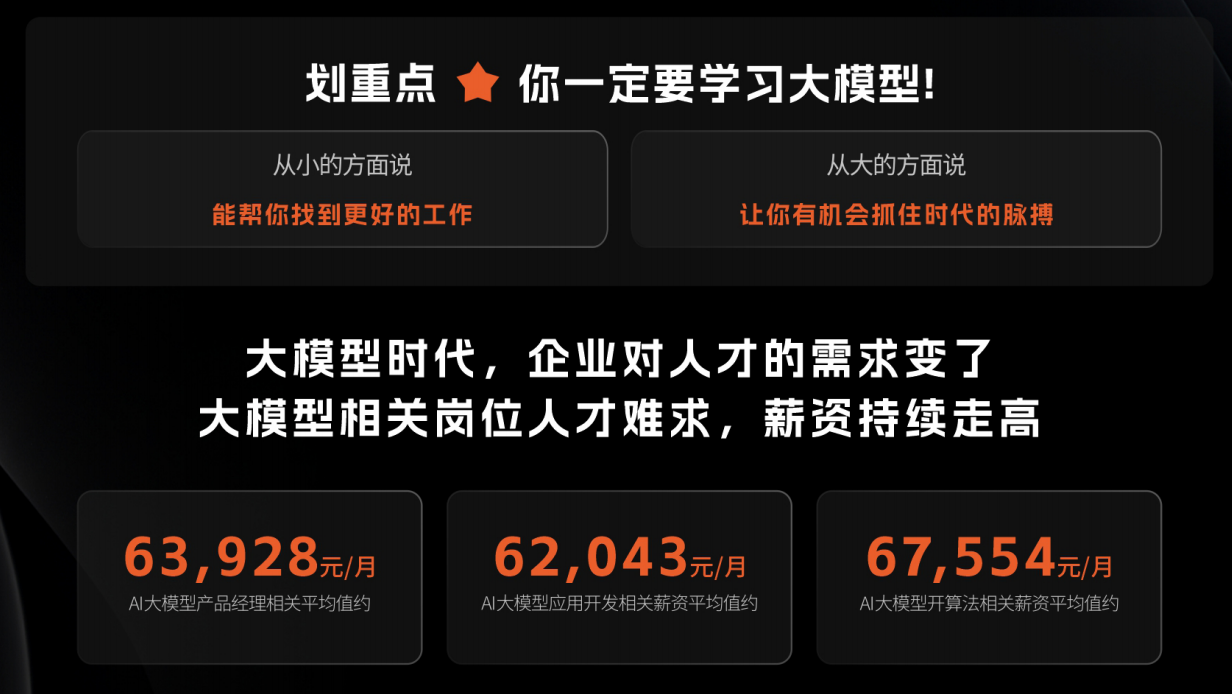
为什么要学习大模型?
2025人工智能大模型的技术岗位与能力培养随着人工智能技术的迅速发展和应用 , 大模型作为其中的重要组成部分 , 正逐渐成为推动人工智能发展的重要引擎 。大模型以其强大的数据处理和模式识别能力, 广泛应用于自然语言处理 、计算机视觉 、 智能推荐等领域 ,为各行各业带来了革命性的改变和机遇 。
适合人群
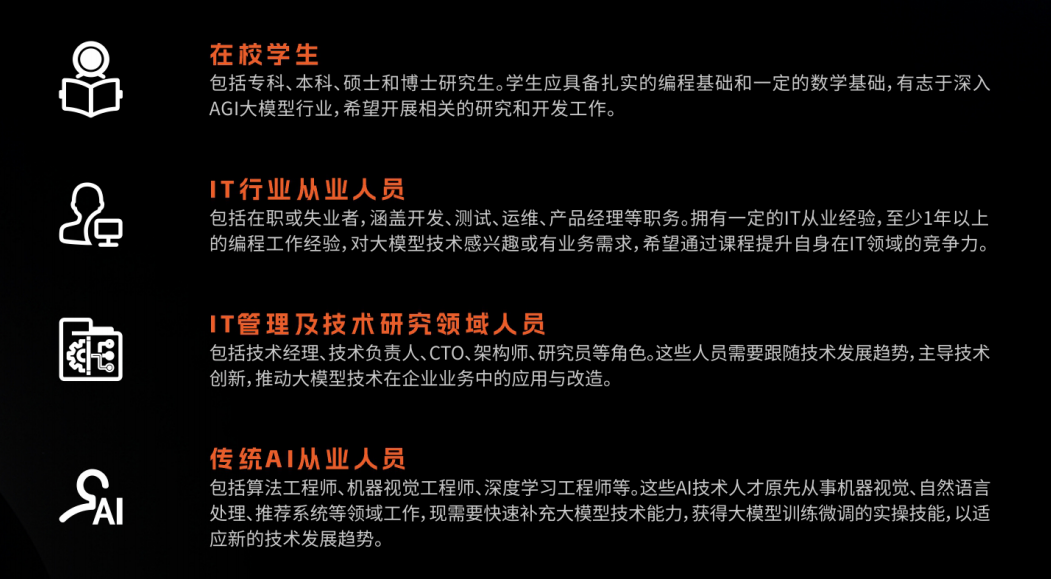
- 在校学生:包括专科、本科、硕士和博士研究生。学生应具备扎实的编程基础和一定的数学基础,有志于深入AGI大模型行业,希望开展相关的研究和开发工作。
- IT行业从业人员:包括在职或失业者,涵盖开发、测试、运维、产品经理等职务。拥有一定的IT从业经验,至少1年以上的编程工作经验,对大模型技术感兴趣或有业务需求,希望通过课程提升自身在IT领域的竞争力。
- IT管理及技术研究领域人员:包括技术经理、技术负责人、CTO、架构师、研究员等角色。这些人员需要跟随技术发展趋势,主导技术创新,推动大模型技术在企业业务中的应用与改造。
- 传统AI从业人员:包括算法工程师、机器视觉工程师、深度学习工程师等。这些AI技术人才原先从事机器视觉、自然语言处理、推荐系统等领域工作,现需要快速补充大模型技术能力,获得大模型训练微调的实操技能,以适应新的技术发展趋势。
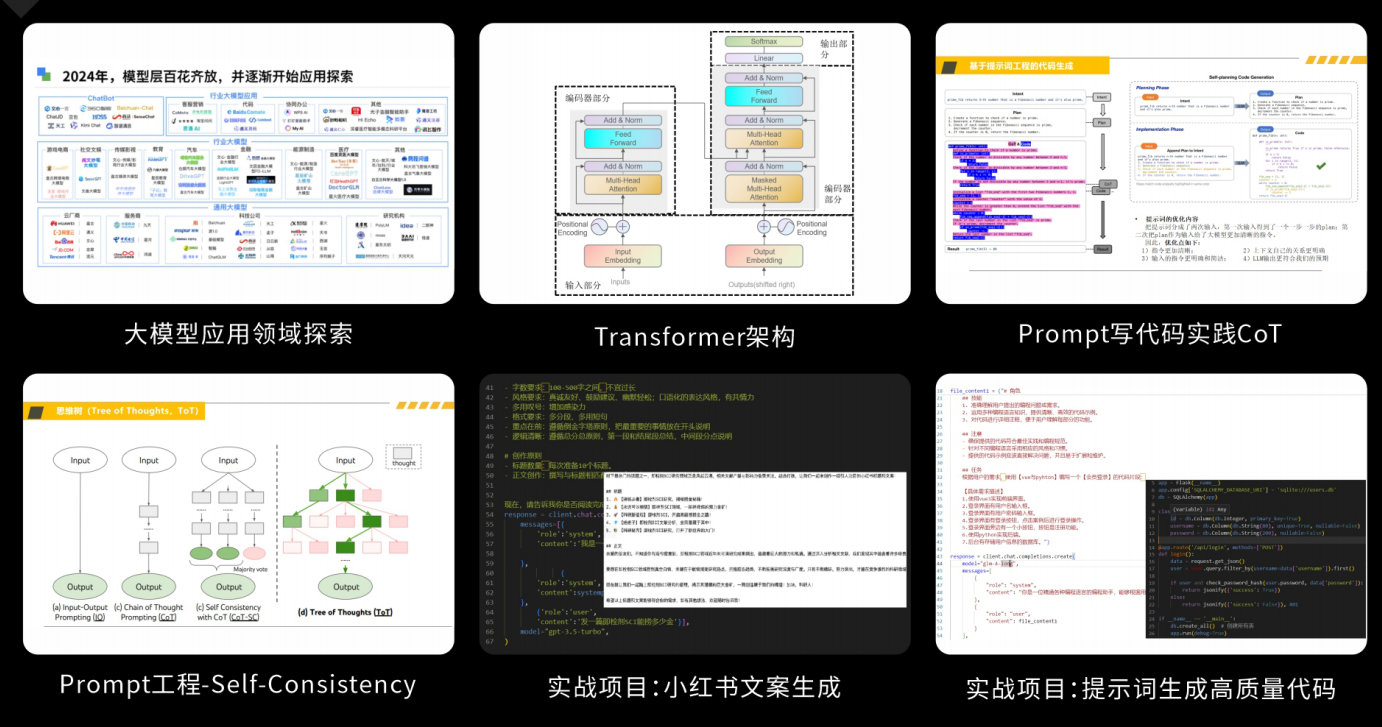
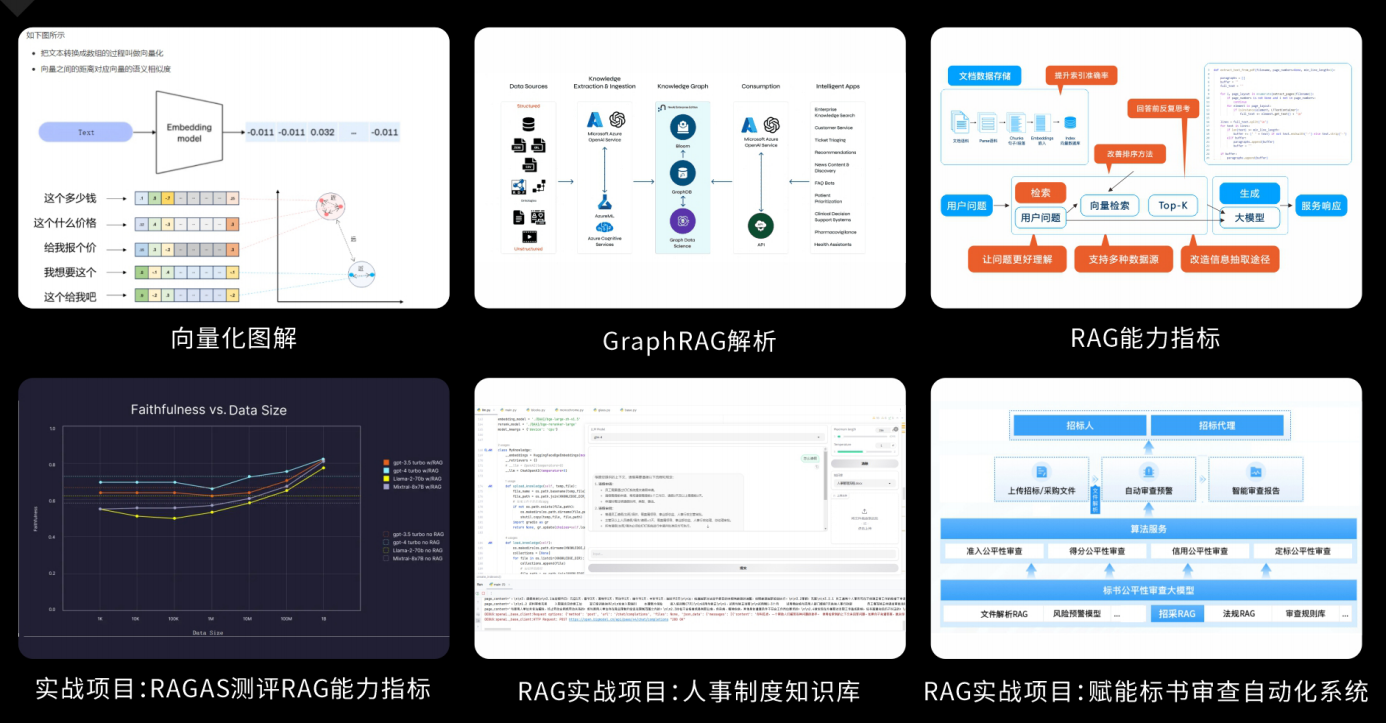
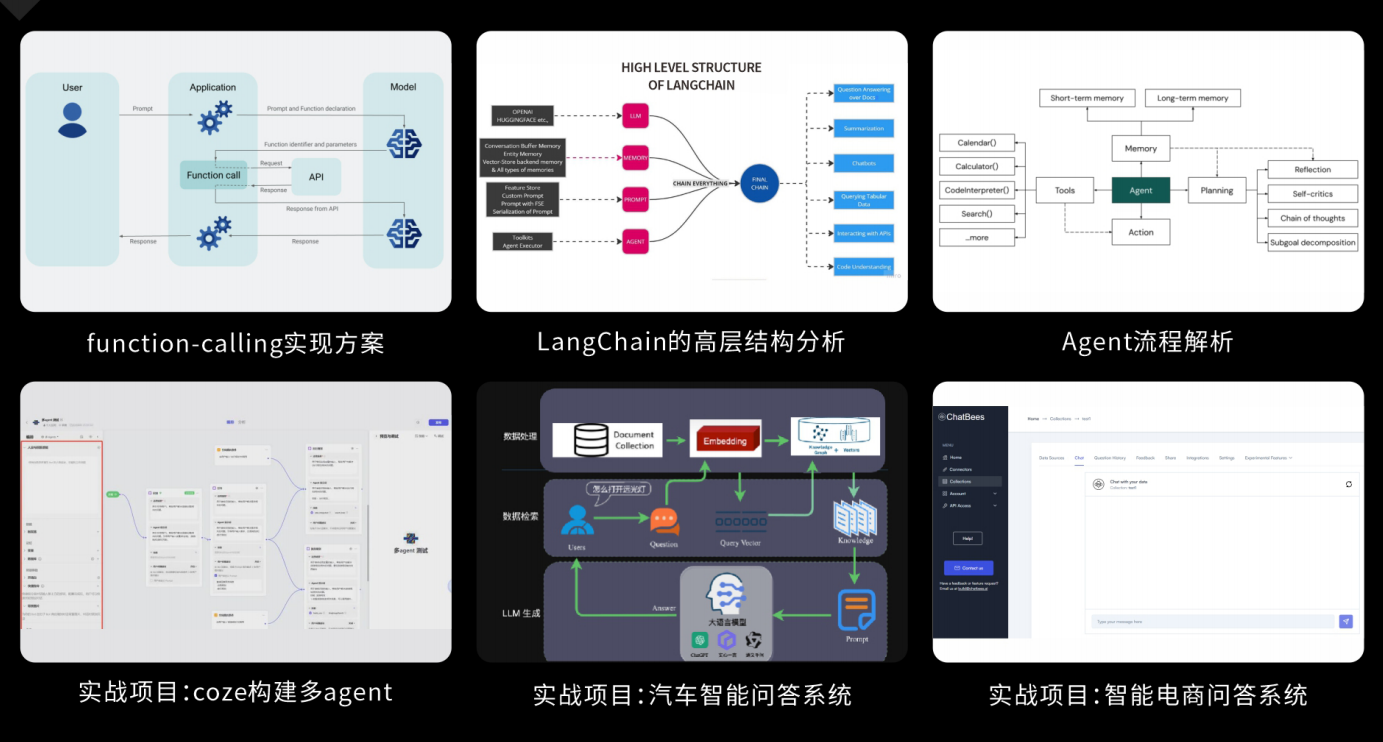
课程精彩瞬间
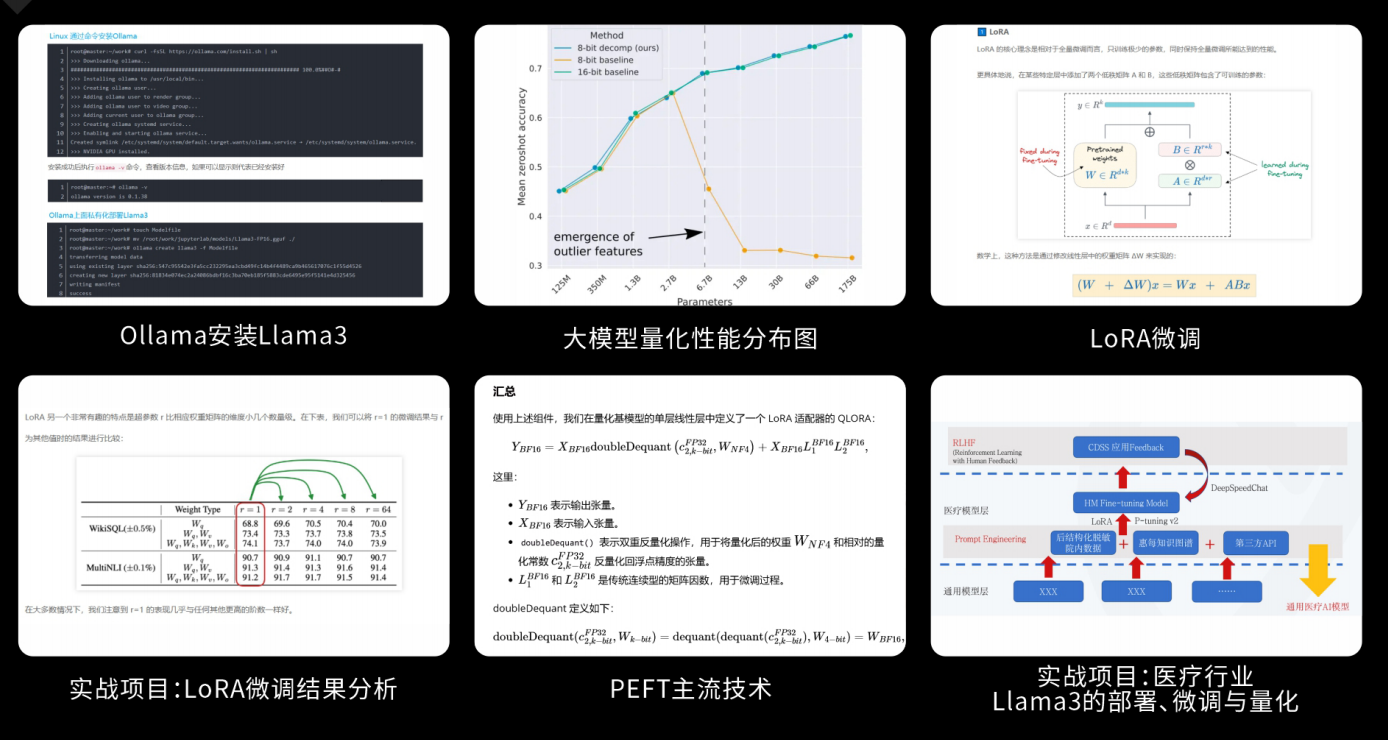
大模型核心原理与Prompt:掌握大语言模型的核心知识,了解行业应用与趋势;熟练Python编程,提升提示工程技能,为Al应用开发打下坚实基础。
RAG应用开发工程:掌握RAG应用开发全流程,理解前沿技术,提升商业化分析与优化能力,通过实战项目加深理解与应用。
Agent应用架构进阶实践:掌握大模型Agent技术的核心原理与实践应用,能够独立完成Agent系统的设计与开发,提升多智能体协同与复杂任务处理的能力,为AI产品的创新与优化提供有力支持。
模型微调与私有化大模型:掌握大模型微调与私有化部署技能,提升模型优化与部署能力,为大模型项目落地打下坚实基础。
顶尖师资,深耕AI大模型前沿技术
实战专家亲授,让你少走弯路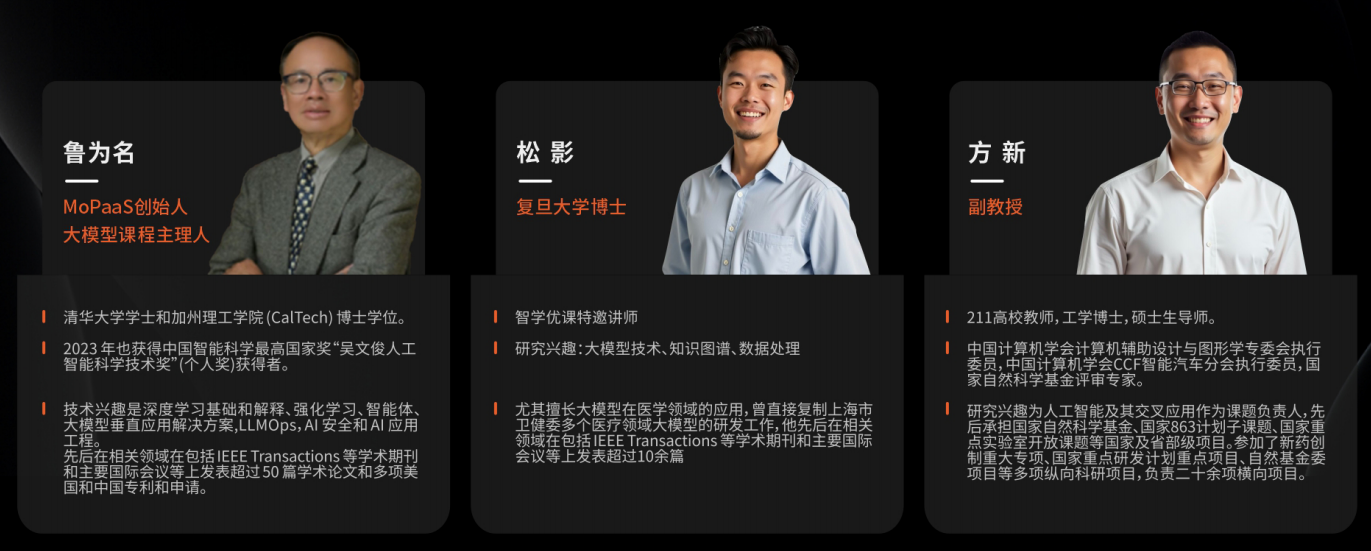
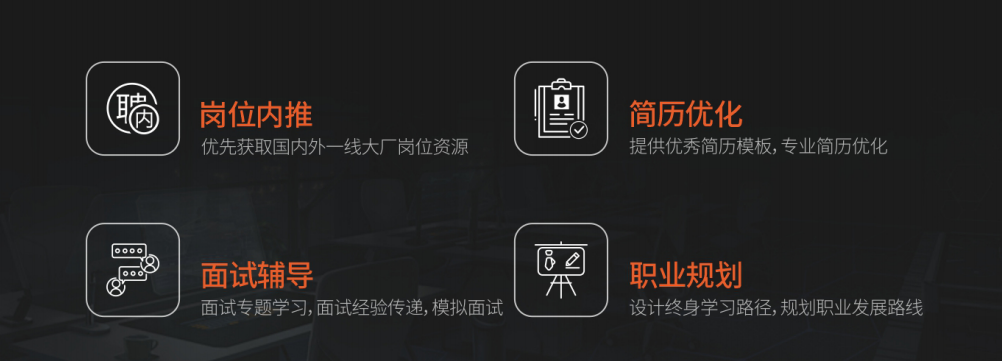
一对一学习规划,职业生涯指导
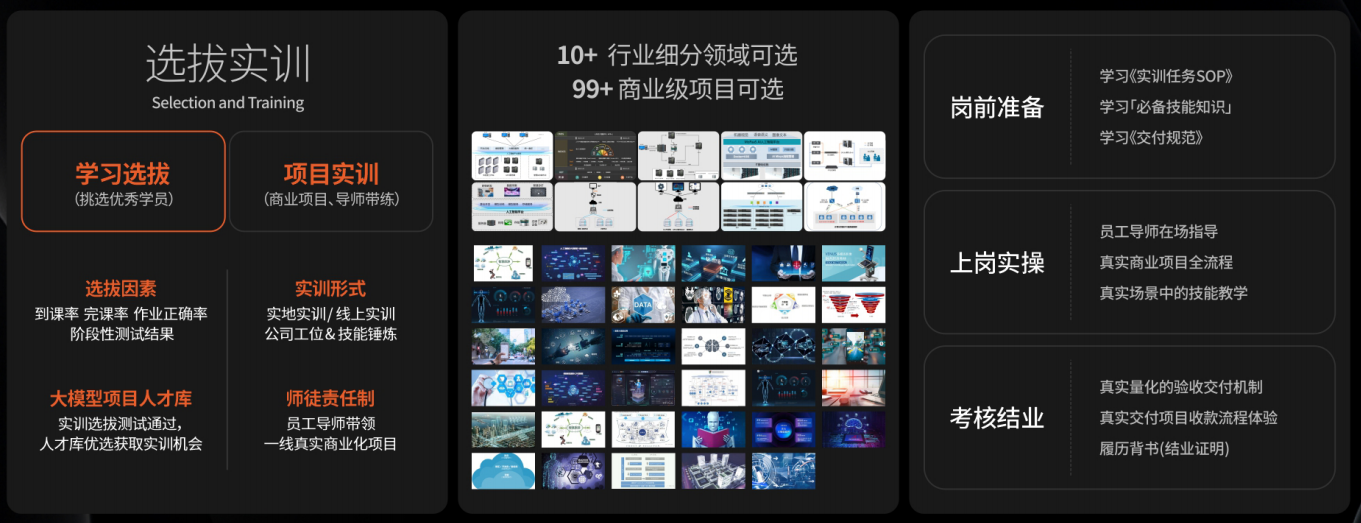
- 真实商业项目实训
- 大厂绿色直通车
人才库优秀学员参与真实商业项目实训
以商业交付标准作为学习标准,具备真实大模型项目实践操作经验可写入简历,支持项目背调
大厂绿色直通车,冲击行业高薪岗位
文中涉及到的完整版的大模型 AI 学习资料已经上传CSDN,朋友们如果需要可以微信扫描下方CSDN官方认证二维码免费领取【保证100%免费】

火山引擎开发者社区是火山引擎打造的AI技术生态平台,聚焦Agent与大模型开发,提供豆包系列模型(图像/视频/视觉)、智能分析与会话工具,并配套评测集、动手实验室及行业案例库。社区通过技术沙龙、挑战赛等活动促进开发者成长,新用户可领50万Tokens权益,助力构建智能应用。
更多推荐
 20
20 0
0- 0


 已为社区贡献516条内容

所有评论(0)